
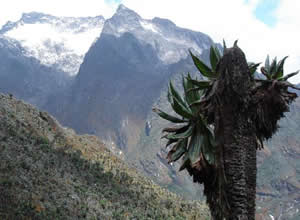
Hike to the Highest Point at Margherita Peak

Rwenzori Mountains National Park

Three-Horned Chameleon at Rwenzori Mountains Uganda

Three-Horned Chameleon at Rwenzori Mountains Uganda is amazing to watch at Rwenzori Mountains National Park. The Three-Horned Chameleon at Rwenzori Mountains has unique features that make it stand out from the other chameleons that inhabit the vegetation terrain in Mount Rwenzori, Bwindi Forest National Park hence a wonder to hikers in safari.  

The “three-horned chameleon” is a species within the genus Trioceros a group of striking reptiles located in East and Central Africa. The three horned chameleon is known for the three famous horns on the head of males. These chameleons are a hallmark of highland forests especially in the Rwenzori Mountains.

The genus Trioceros has many horned chameleons, but not all species have three horns. The defining feature of the “three-horned” group is the presence of rostral (nose) and preorbital horns, especially in males.

Horns and Sexual Ways

Male three-horned chameleons typically possess:

One central nasal horn

Two lateral horns above the eyes

Females often lack horns or have only small, underdeveloped ones.

These horns are used primarily for display and combat during territorial disputes.

Body Structure

Length: 20–35 cm depending on species

Body: Laterally compressed (flattened sides)

Tail: Prehensile, used for gripping branches

Feet: Zygodactylous (split into opposing groups for grasping)

Coloration

Their coloration varies widely:

Greens, yellows, browns, and sometimes blues
Ability to change color for communication, camouflage, and temperature regulation

Habitat and Distribution

Three-horned chameleons are primarily found in montane and submontane forests of East and Central Africa, including:

Western Uganda

Rwanda

Eastern Democratic Republic of the Congo

Parts of Kenya and Tanzania

They are especially associated with cool, moist environments, often at elevations between 1,500 and 4,000 meters. In the Rwenzori region, they inhabit bamboo zones, forest edges, and afro-alpine vegetation belts.

Arboreal Lifestyle

These chameleons are arboreal, spending most of their lives in trees and shrubs. Their slow, deliberate movements help them avoid detection by predators.

Feeding

They are insectivorous, feeding mainly on:

Insects (grasshoppers, crickets, beetles)
Occasionally small vertebrates

They use a projectile tongue, which can extend rapidly to capture prey with remarkable accuracy.

Attractions to See

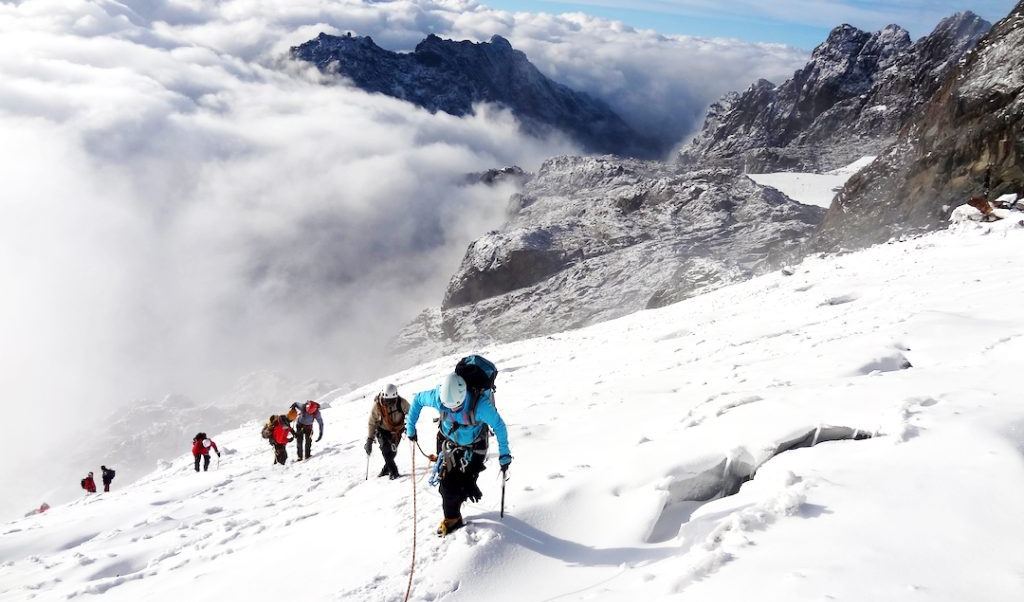
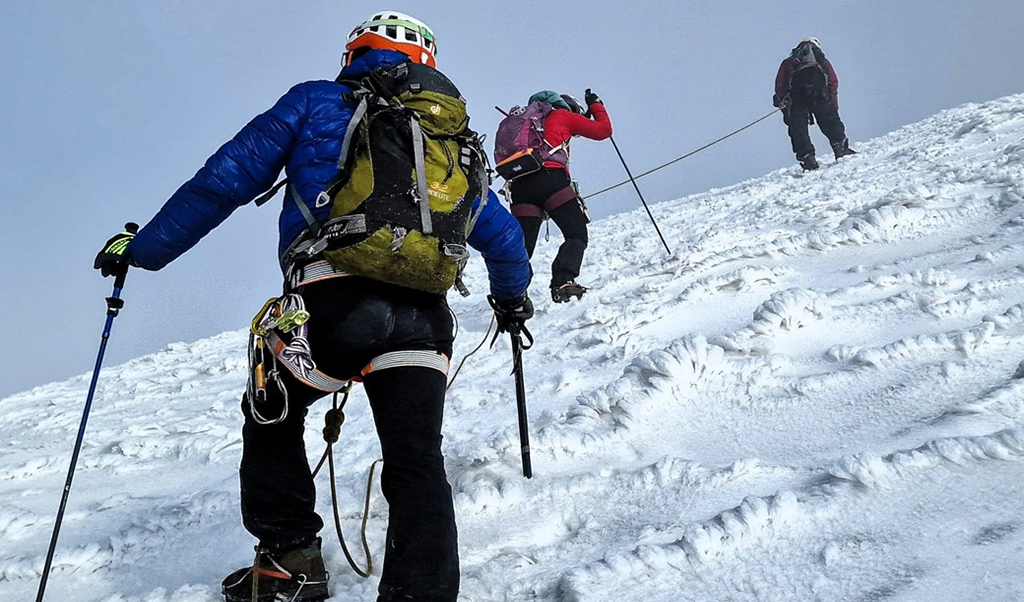
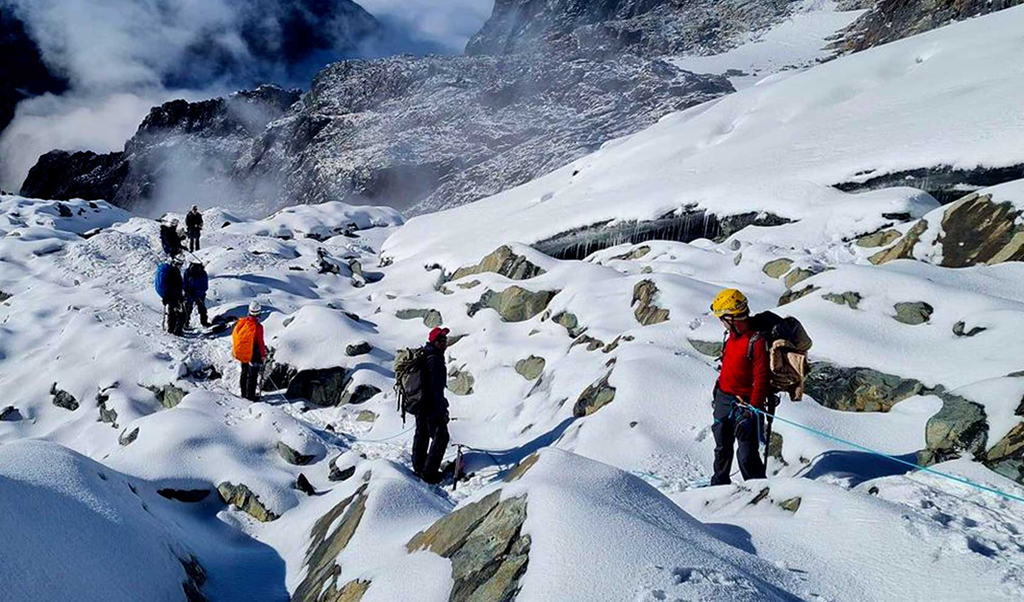
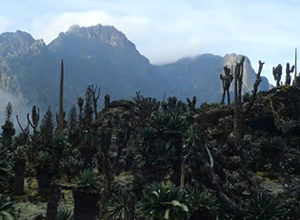
Rwenzori Mountains National Park is exceptional to explore as you Climb the majestic Mountain Rwenzori in Uganda. The Attractions you see in the Park offer you amazing adventures and these include; Snow-capped Peaks Mount Stanley, Mount Speke, Mount Baker, Margherita Peak, savannah to afro-alpine moorland, giant heather, groundsel, lobelia, Glacier-fed Lakes & Rivers.

Make Your Inquiry Now

Contact a Rwenzori Mountains National Park Expert to tailor make your Rwenzori Trekking Adventure in Uganda to the highest point at Margherita Peak.

Make Your Call Now

+256 392 159 498

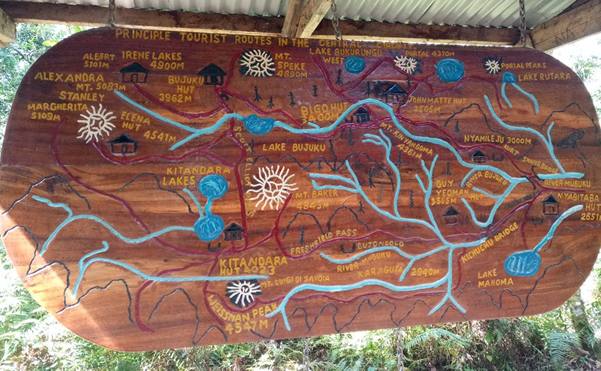
Map of Rwenzori Mountains National Park

Major Rwenzori Mountain Peaks

MT GESSI

Located near Mount Emin, situated north of Mount Stanley, Speke and Baker
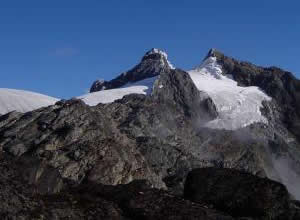
MT EMIN

Characterized by its narrow and rocky ridges as well as the twin peaks.
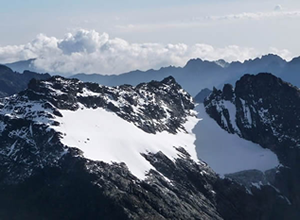
MT SPEKE

The second highest peak in the Rwenzoris enclosing the upper Bujuku Valley
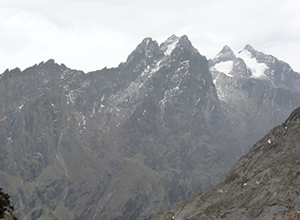
MT STANLEY

Mt Stanley is situated between Uganda and Congo at an elevation of 5109m
MT LUIGI

It is the shortest of the six central massifs and was the first to lose its glacial ice.
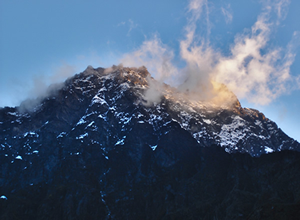
MT BAKER

The mountain that most people trekking Rwenzoris encircle during the hike.